
Welcome, patients! Wadas Dental Center is now Contemporary Dental of Indiana. Same dentists, same team, same two offices in Munster and Crown Point. Your records and appointments came with us, so there is nothing you need to do. Book your next visit

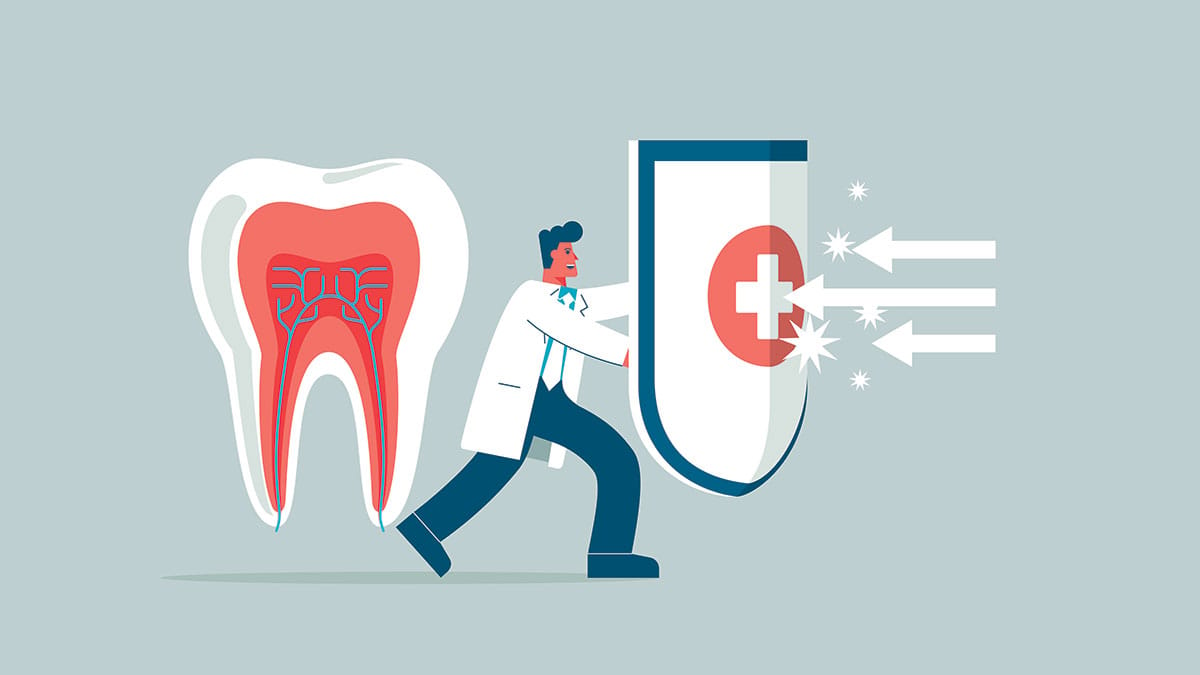
By Contemporary Dental of Indiana
Having worries about seeing the dentist is normal. While the sharp objects and noisy tools that are used within dentistry can be scary, one of the biggest contributing factors to fear is the unknown. The best way to combat fear of going to the dentist is by educating yourself on what will happen at your visit.
Tooth extractions are one of the kinds of procedures that tend to make people feel anxious. To get rid of this anxiety, talk to your dentist in Indiana about what the procedure is like, how to prepare for it, and what will happen after the procedure has been done. Your dentist will also be able to help you understand what your expenses will be, alleviating any concerns that you have about your bill.
There are instances where a tooth becomes loose, damaged or broken and needs to be removed. A tooth extraction is a procedure where the tooth is taken out of the bone socket. While this sounds like a scary prospect, it’s a commonly performed procedure.
In the weeks before your extraction, your dentist will take an x-ray of the tooth so that he or she can come up with a plan for taking out the tooth. Your medical history and sedation methods will be discussed. You will also need to inform your dentist of any problems like a cold, nasal congestion, nausea or vomiting in the week before your procedure.
Your dentist in Indiana will need to know about any supplements or medications. You should also inform your dentist of any conditions you have that could make it more likely for you to develop an infection. These conditions include:
The type of extraction procedure you will need is determined by the tooth that needs to be extracted. For instance, a tooth located above the gum line is removed via a simple extraction procedure involving loosening and gently pulling out the tooth. A tooth that is located underneath the gums will need to have a surgical extraction done. Surgical extractions involve a small incision being made within the gums so that the tooth can be accessed.
Local anesthetic is always utilized for a tooth extraction. In some cases, a dentist may choose to use an intravenous anesthetic. Regardless of the type of anesthetic used, you shouldn’t feel any pain during your extraction. Your dentist should be notified immediately if you do.
Afterwards, your dentist in Indiana will provide you with a piece of gauze that you will need to bite down on. This will reduce bleeding and lead to a blood clot forming on the extraction site. Your dentist may use self-dissolving stitches to further close the site.
When you get home, you will need to follow the below instructions:
While some bleeding, swelling and pain are normal after the procedure, you should call your dentist in Indiana if you have any of the following occur:
Contact your dentist in Indiana immediately if you experience symptoms such as excessive pain, intense swelling, uncontrolled bleeding, chills, fever, redness, or difficulty swallowing.
You can expect your extraction site to heal within one to two weeks. You will be able to resume normal dental care after that has happened.
Wisdom teeth are an extra set of molars that usually appear in early adulthood. While many people don’t have any problems with them, some people don’t have large enough mouths for the extra set of teeth. This can lead to several serious dental health issues. If you’re wondering what to do about your wisdom teeth, talk to your dentist in Indiana. He or she will be able to discuss with you the cost, benefits, risks and the impact it could have on your quality of life.
The American Dental Association (ADA) typically recommends that you have your wisdom teeth extracted in cases of:
While it’s common to remove wisdom teeth as a preventive measure, this is a hotly debated topic amongst dental professionals. Some dentists believe it isn’t worth the risk or expense, while others believe that getting rid of the wisdom teeth before there are ever any issues in the first place is the way to go. Preventive wisdom tooth extraction is typically done for the following reasons:
Consulting with a dentist in Indiana about your wisdom teeth and then seeking out a second opinion is an excellent way to determine if this procedure is right for you.