Welcome, patients! Wadas Dental Center is now Contemporary Dental of Indiana. Same dentists, same team, same two offices in Munster and Crown Point. Your records and appointments came with us, so there is nothing you need to do. Book your next visit

By Contemporary Dental of Indiana
Periodontal disease can result in tooth loss and potentially dangerous health issues.
What comes to mind when you think about your oral health? Many people focus on the health of their teeth, but your gums also play an essential role in your oral health and the overall health of your body. Prioritizing your gum health can help prevent gum disease, a serious condition that can result in tooth loss if left untreated. Keep reading to learn more about the causes and symptoms of gum disease, so you can protect your oral health and prevent serious dental problems from occurring.
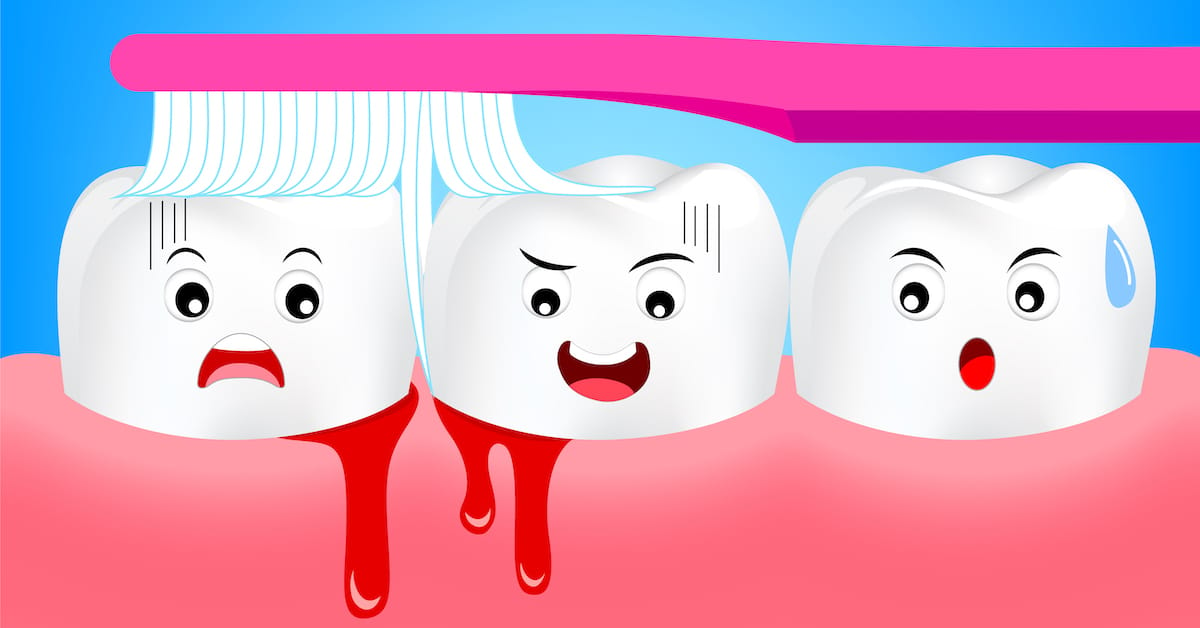
Gum disease is also called periodontal disease, and it's a bacterial infection of the gum tissue and bones that hold your teeth in place. It's the main cause of tooth loss in adults, although it can be successfully reversed when diagnosed early. Gingivitis is the earliest stage of gum disease, and it's identified by inflamed gum tissue that may bleed while you're brushing or flossing.
If gingivitis isn't treated, it can progress to periodontitis. During this stage, your gum tissue may start to pull away from your teeth, creating a pocket that traps food debris and plaque. Over time, the bones and soft tissue are irreversibly damaged, and treatment is required to prevent tooth loss and further damage.
Advanced periodontitis is the last stage of gum disease. At this point, the soft tissues and bones that support your teeth are destroyed. This can cause your teeth to loosen or shift in place. If aggressive treatment isn't successful in saving your teeth, they will likely need to be removed.
If you have advanced periodontitis, an infection called necrotizing periodontal disease can occur, leading to the death of connecting bone and gum tissue. It's common in people who use tobacco products or those who have compromised immune systems.
Plaque is the primary cause of gum disease and bleeding gums. Plaque is a thick film of bacteria that forms on your teeth daily, even after brushing and flossing. If plaque remains on your teeth, it hardens into tartar. The bacteria found in plaque and tartar can spread beneath the gum line, producing toxins that cause inflammation and irritation, leading to gingivitis.
There are also many lifestyle factors that can increase your risk of gum disease. Here's a closer look at each:
It's possible to have gum disease and not know it, especially since it can be painless and symptomless in its early stages. However, if you know what to look for, it's possible for you to catch gum disease early and take the necessary steps to treat it before it progresses to an advanced stage. Here are some warning signs of gum disease that can signal a potential problem:
If you notice any of these symptoms, we encourage you to call our office to make an appointment with our dentist.
There are many things you can do to improve the health of your teeth and gums and reduce your risk for developing gum disease.
Remember, it’s much better to have a mouth full of healthy teeth and gums than unsightly gaps from missing teeth and swollen, red gums. In under five minutes a day, you can ensure you diminish your risk for gum disease. It’s worth it!