Welcome, patients! Wadas Dental Center is now Contemporary Dental of Indiana. Same dentists, same team, same two offices in Munster and Crown Point. Your records and appointments came with us, so there is nothing you need to do. Book your next visit
By Contemporary Dental of Indiana
According to the American Sleep Apnea Association, approximately 22 million people suffer from sleep apnea. This disorder causes you to temporarily stop breathing while you're sleeping. Learn more about sleep apnea and find out how your dentist can help you.
The most common type of sleep apnea is called obstructive sleep apnea (OSA). It occurs when there is a blockage in the airway, which is usually caused by the soft tissue in the back of your throat collapsing and closing while you're sleeping.
Central sleep apnea (CSA) occurs when the brain stops sending signals to the muscles that are responsible for breathing. Unlike OSA, there isn't a physical blockage that interrupts breathing. CSA commonly occurs in people with specific medical problems that damage the lower brain stem and those who use narcotics.
Mixed sleep apnea occurs when a patient has a combination of OSA and CSA. While there is still more to learn about mixed sleep apnea, it usually starts as OSA but continues even after the blockage is removed.
Sleep apnea can affect anyone at any age. However, some people are at an increased risk due to certain risk factors. These people include those with the following characteristics:
Sleep apnea can cause a variety of symptoms depending on which type you have, and not everyone will have the same symptoms. However, the following ten symptoms are some of the most common.
If you don't receive treatment for sleep apnea, your brain and the rest of your body may not receive enough oxygen. You may begin to suffer from sleep deprivation if your sleep is frequently interrupted for an extended period of time. According to the Mayo Clinic, people with untreated sleep apnea are at an increased risk of car accidents and workplace accidents.
Lack of sleep can affect your performance at work and school, and it can also affect the quality of sleep that your partner receives.
Untreated sleep apnea can also increase your risk of numerous health problems, including type 2 diabetes, liver problems, stroke, heart attack, and depression.
Your dentist can help treat sleep apnea, but a diagnosis must be made first. This usually requires a sleep study, which may be conducted at a sleep clinic or in your own home. Once diagnosed, your doctor will discuss your treatment options with you.
A continuous positive airway pressure (CPAP) machine is one of the most common treatment options for sleep apnea. A CPAP is a device that delivers air through your mouth and nose, helping you receive enough oxygen and keep your airway open while sleeping. You'll sleep with a mask that covers your nose and mouth.
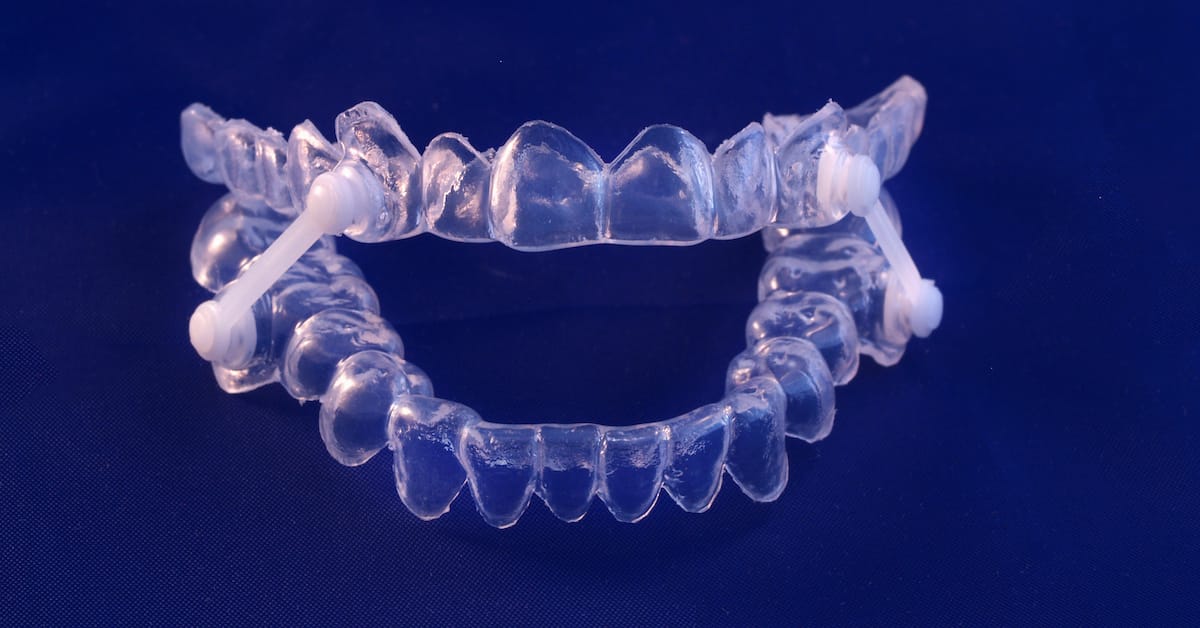
Oral appliance therapy is another treatment option for sleep apnea. An oral appliance is very similar to a mouth guard, and it's worn while sleeping to help keep your airway open. Your dentist can fit you for a custom-made oral appliance that fits the unique shape of your mouth. Many people with sleep apnea prefer an oral appliance to a CPAP machine since they're more comfortable, but oral appliance therapy isn't recommended for all types of sleep apnea. Your dentist and doctor will work together to come up with an effective treatment plan for you.
Now that you know how sleep apnea can negatively affect your health, there's never been a better time to receive the treatment you need. Schedule an appointment with our dentist right away if you think you may have sleep apnea. During your consultation, your dentist will carefully listen to your symptoms, assess your risk factors, and provide the assistance you need to sleep better. You'll receive the care you need to dramatically improve your sleep quality and reduce your risk of serious health problems. Don't wait to make your appointment!